Aquifer Psychiatry
Aquifer Psychiatry builds clinical competency, fills educational gaps, and helps instill the core values and attitudes of psychiatry. The case set fosters self-directed and independent study, develops clinical problem-solving skills, and teaches an evidence-based, patient-centered approach to patient care.
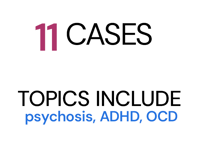
The initial case set covers multiple topics, including psychosis, ADHD, OCD, and more. Additional cases will be released on a rolling basis throughout the academic year.
For Academic Year 2025-26, this case set is only available for Curricular Partner programs. In Academic Year 2026-27, it will be available for limited subscribers as a Signature Course.


Demo Sample Case
-
Key Features
- Created for educators, by educators, and covers the ADMSEP Learning Goals and Milestones.
- Proven pedagogy that standardizes experiences—overcoming geography, seasonality, and accessibility
- Evidence-based, peer-reviewed, and continuously updated content
- A wealth of source material—including embedded engagement questions and full references—in each case
- Delivered via the Aqueduct teaching and learning platform, which includes user management tools, easy reporting on student progress and course usage, plus tools for creating custom courses to match a specific curriculum
-
Curriculum Integration
We designed the Aquifer Psychiatry Case Set for any level student in a health professions program. The cases are ideal for students preparing for clinical experiences that cover Psychiatry. Cases also serve as valuable reference material for students to return to as they need to refresh their knowledge during clinical rotations.
Looking for ideas on how to integrate the cases into your curriculum? Aquifer offers free 1:1 Curricular Consults for active subscribers with our Adoption & Use experts. Schedule a meeting and discover the most efficient way to leverage Aquifer.
-
Case List
The initial case set comprises six virtual patient encounters, covering:
Psychiatry 01: 13-year-old with recent trouble at school
Psychiatry 02: 47-year-old with chronic musculoskeletal pain
Psychiatry 03: 20-year-old with increasingly erratic behavior
Psychiatry 04: 20-year-old presenting with psychosis
Psychiatry 05: 29-year-old with unwanted intrusive thoughts
Psychiatry 06: 16-year-old with weight loss
I like that these cases are real-life scenarios and very applicable to the patients I see in clinic with my mentors. I feel just by doing these cases in a few days, my experience in family medicine has improved by leaps and bounds and my mentors can see a marked improvement and change in me, even down to how I interact with patients and present myself. Thank you so much Aquifer, you're a lifesaver!